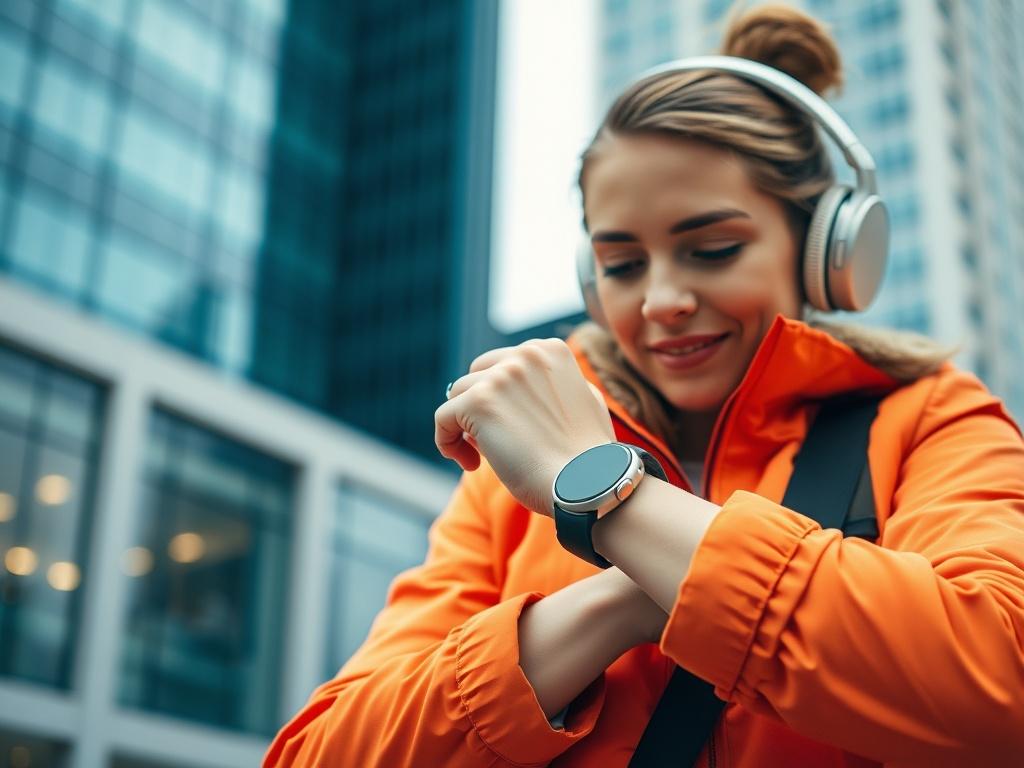
Wearables have transformed dramatically over the last decade, evolving from simple activity bands into powerful smartwatches with a wide range of capabilities. This piece traces that development, emphasizing major breakthroughs, rising directions, and effects on personal health and everyday life.
The Rise of Fitness Trackers
Early Innovations
Fitness trackers kickstarted the wearable revolution by giving people an easy way to keep tabs on movement, sleep, and general health indicators. Initial models centered on counting steps, estimating calories, and logging sleep, helping users understand daily activity levels and encouraging healthier habits. These early devices tended to have modest styling, basic screens, and limited ways to connect.
Expansion of Features
As interest in health-focused wearables rose, makers added more sensors and capabilities to trackers. Heart rate sensors, GPS modules, and water-resistant construction became common, improving workout tracking accuracy. In addition, syncing with smartphone apps and cloud services allowed users to review their metrics, set targets, and get tailored guidance to fine-tune their fitness plans.
The Emergence of Smartwatches
Convergence of Functionality
The development of smartwatches represented a merging of tracker features with the versatility of conventional wristwatches. These devices run advanced operating systems, offer crisp displays, and support strong connectivity, enabling functions far beyond health monitoring. From message alerts to music control and navigation, smartwatches act as compact computers on the wrist.
Health and Wellness Features
Beyond smart functions, contemporary smartwatches emphasize health and wellness by using sophisticated sensors and software to observe both physical and mental states. Continuous heart-rate tracking, ECG readings, and SpO2 measurements are typical of top brands. These wearables also track sleep, offer stress-relief features, and provide guided breathing sessions to support overall well-being.
Future Trends and Innovations
Integration with AI and Machine Learning
Looking forward, deeper ties to artificial intelligence and machine learning will shape wearable development. AI-enabled watches that provide coaching and predictive insights can deliver tailored advice based on user habits, health signals, and context. This anticipatory model helps people make smarter choices and reach wellness objectives more efficiently.
Enhanced Connectivity and Interoperability
Improved connectivity and better interoperability with other smart gadgets and platforms are also key trends. With NFC, watches support contactless payments, building access, and smart-home control, simplifying daily routines. Moreover, linking wearables with healthcare infrastructure enables remote supervision, telehealth services, and earlier detection of medical concerns.
Conclusion
In summary, wearable devices have progressed from simple fitness monitors to sophisticated wrist-worn computers that influence health and lifestyle management. What started as tools for tracking movement now enhance productivity, connectivity, and wellness. As sensors, AI, and connectivity keep advancing, wearables will play an ever-larger role in personal health and everyday life. Embracing these devices as instruments for self-care and improvement helps people take charge of their health and enjoy richer lives in a connected era.