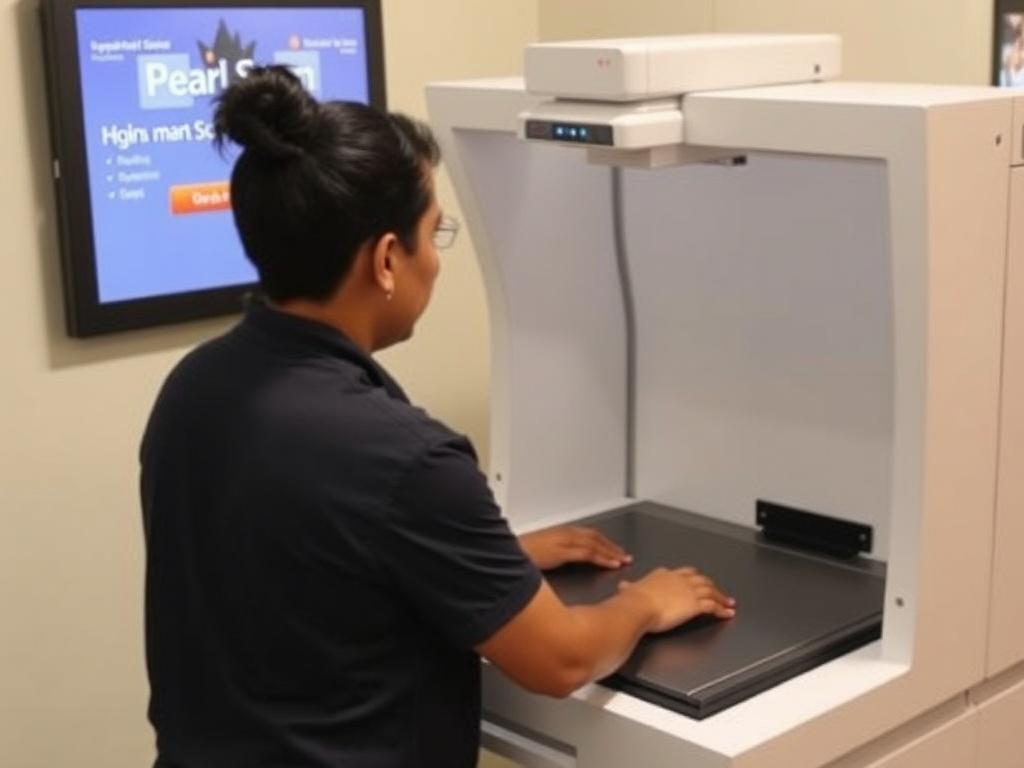
As digital tools transform how we preserve and reach historical records, Optical Character Recognition (OCR) has become a vital method for protecting cultural legacy. Converting printed pages, manuscripts, and other archival items into editable, searchable text, OCR supports the digitization of archives and increases access for historians, researchers, and the public.
The Importance of Preserving Historical Archives
Safeguarding Cultural Heritage
Archives hold our shared memory, keeping records, documents, and objects that reveal the past. From ancient codices and scarce volumes to archival photos and periodicals, these items illuminate the cultural, social, and political environments of earlier times. Preserving archives is crucial not only to protect cultural heritage but also to deepen our grasp of collective history and identity.
Facilitating Research and Scholarship
For researchers, scholars, and teachers, archives are indispensable sources for studying history, literature, sociology, and more. Offering primary sources and eyewitness accounts, archives let investigators perform original studies, trace historical patterns, and expand knowledge in their fields. Digitized collections speed up research and let scholars consult large document sets from anywhere in the world.
The Role of OCR in Digitizing Historical Archives
Enhancing Access and Discoverability
OCR is central to transforming archives into machine-readable content by turning printed text into digital form. Whether processing handwritten letters, printed volumes, or typewritten records, OCR opens these resources to online searching. Scholars can search digitized archives using keywords and phrases, greatly improving discoverability and streamlining research processes.
Enabling Text Analysis and Data Mining
Beyond access, OCR permits sophisticated text analysis and data mining on digitized archives. Changing scanned pages into structured text allows researchers to study trends, patterns, and linguistic changes across extensive historical collections. Text-mining tools can surface recurring themes, track language shifts over time, and pull meaningful findings from documents, enriching our historical knowledge.
Overcoming Challenges in OCR for Historical Archives
Addressing Variability in Historical Documents
A major obstacle for OCR in archives is the diversity of formats, typefaces, and historical language. Old documents may feature obsolete fonts, faint printing, or handwritten notes, complicating accurate recognition. To meet this, OCR solutions use refined image processing, machine learning, and language models trained on archival texts to boost accuracy and cope with diverse content.
Preserving Document Integrity and Authenticity
Maintaining the integrity and authenticity of digitized items is another OCR challenge. Historical pieces often contain distinctive layouts, formatting, and visual cues that are part of their value. OCR workflows must retain these features faithfully during digitization so digital surrogates mirror originals. Metadata, provenance records, and careful tagging also help preserve authenticity and provide useful context for users.
Future Directions in OCR for Historical Archives
Advancements in Multimodal OCR
OCR’s future for archives points toward multimodal systems that blend text recognition with image analysis and layout understanding. Such systems better handle complex layouts, handwritten notes, and non-text elements, improving accuracy and protecting document features. These advances will support digitizing varied archival items and expand access to historical materials for coming generations.
Collaboration and Standardization Efforts
Progress in OCR for archives relies on collaboration and shared standards. Joint efforts among computer scientists, historians, archivists, and heritage professionals foster OCR tools designed for archival needs. Establishing best practices, guidelines, and standards for digitization projects also promotes consistency and interoperability across archival collections.
Conclusion
Amid rapid technological change, OCR proves to be a transformative means of preserving and digitizing archives. By improving access, enabling textual analysis, and addressing archival challenges, OCR empowers researchers, educators, and the public to engage with cultural heritage in fresh, meaningful ways. As the technology advances, it promises to safeguard our historical legacy and reveal new perspectives on the past.