
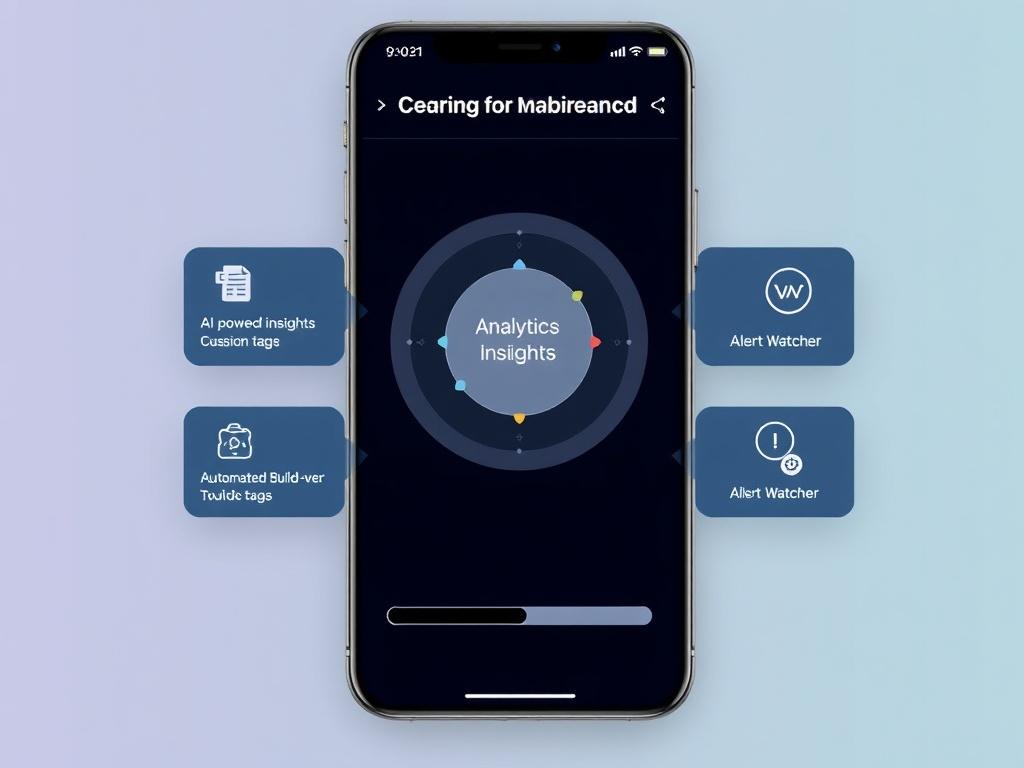
Across the modern digital environment, where business operations rely on software, maintaining both speed and protection of applications is essential. Ongoing monitoring has become an indispensable method for spotting and handling performance degradations, security gaps, and active threats as they occur….
The Value of Constant System Monitoring
Real-Time Visibility: Ongoing monitoring delivers immediate insight into how software applications, infrastructure, and networks are performing and being protected. By continuously gathering and examining data, organizations can quickly identify and address problems, reducing downtime and lowering potential risks.
Early Issue Detection: Continuous monitoring enables teams to spot performance chokepoints, weaknesses, and security risks before they grow into serious problems. By tracking key performance indicators (KPIs) and security metrics, organizations can take early action to improve performance and reinforce their security posture.
Assessing Software Performance
Key Performance Indicators (KPIs): Observing software behavior means measuring several KPIs, like response time, throughput, error frequency, and resource usage. These figures shed light on an application’s health and effectiveness, helping teams pinpoint performance chokepoints and allocate resources more efficiently.
Experience Monitoring for Users Observing how people use applications and services lets organizations grasp interaction patterns. Measuring metrics like page load durations, transaction success rates, and user satisfaction ratings enables teams to provide a smooth, quick, and engaging user experience for all platforms.
Software Security Monitoring
Vulnerability Scanning: Regular vulnerability scanning consists of periodically examining applications and infrastructure for known security flaws and weaknesses. Automated scanners detect issues in code components, libraries, and configurations, enabling organizations to promptly patch or remediate discovered vulnerabilities.
Security Incident Detection: Ongoing monitoring allows organizations to spot security incidents—like unauthorized access attempts, malware infections, and data breaches—as they occur. Watching system logs, network traffic, and user behavior lets organizations quickly identify and respond to such security threats.
Deploying Continuous Oversight Now
Automation and Integration:To enable continuous monitoring, organizations must automate and weave it into both the software development lifecycle (SDLC) and IT operations. Automated monitoring platforms and solutions gather, examine, and display data from multiple origins, delivering actionable intelligence and enabling swift decisions.
DevSecOps Standards: Continuous observation supports DevSecOps by folding security into both development and operational workflows and runtime processes. Embedding security controls, telemetry and compliance gating into CI/CD workflows, enabling teams to treat security as an enforced priority across all phases of the application lifecycle.
Advantages of Constant Monitoring
Rapid Fault Discovery: Relentless Watchfully permits rapid discovery in functioning errors, misconfigurations, and cybersec dangers, lowering the damage on commerce procedures and decreasing stoppage. By mitigating faults proactively, organisations can preserve good scales of reachability, consistency, and user gratification.
Enhanced Strategy-Choice: Constantly monitoring supplies precious info and findings that support establishments to make educated judgments about programs streamlining, capacity assignment, and risk governance. By harnessing live-data figures and analytics, establishments may maximize effectivity, improve security, and power commerce uptick.
Final note
Ongoing monitoring forms a foundation for robust software performance and security oversight, offering live visibility, early detection of issues and practical data-driven recommendations. Monitoring key KPIs and security metrics nonstop lets organizations constantly fine-tune system performance, reduce risk, and provide secure reliable experience for their customers. By using automation, tool integration, and DevSecOps approaches, teams can weave ongoing monitoring into development and operational workflows, helping them anticipate shifting threats and consistently provide meaningful outcomes to end customers.