
Rocket Science Daily: Your Space Technology News Hub
  • Home
  • Software
  • Technology
  • AI Tech
  • OCR Tech News
Rocket Science Daily: Your Space Technology News Hub
  • Home
  • Software
  • Technology
  • AI Tech
  • OCR Tech News
  SUBSCRIBE
Rocket Science Daily: Your Space Technology News Hub
  • Home
  • Software
  • Technology
  • AI Tech
  • OCR Tech News
  SUBSCRIBE

©2022 Soledad, A Technology Media Company – All Right Reserved. Designed and Developed by PenciDesign

Technology

The Evolution of Wearable Technology: From Fitness Trackers to Smartwatches

by James Jenkins March 13, 2024
written by James Jenkins

Wearable technology has undergone a remarkable evolution over the past decade, transitioning from basic fitness trackers to sophisticated smartwatches capable of multifunctional capabilities. This article explores the transformative journey of wearable technology, highlighting key advancements, emerging trends, and the impact on personal health and lifestyle.

The Rise of Fitness Trackers

Early Innovations

The emergence of fitness trackers marked the beginning of the wearable technology revolution, offering users a convenient way to monitor their physical activity, sleep patterns, and overall health metrics. Early fitness trackers primarily focused on step counting, calorie tracking, and sleep monitoring, providing users with insights into their daily activity levels and encouraging healthier lifestyle choices. These devices typically featured simple designs, basic displays, and limited connectivity options.

Expansion of Features

As consumer demand for wearable health and fitness solutions grew, manufacturers began incorporating additional features and sensors into fitness trackers. Heart rate monitoring, GPS tracking, and waterproof designs became standard features, allowing users to track their workouts with greater accuracy and precision. Moreover, integration with smartphone apps and cloud-based platforms enabled users to analyze their data, set goals, and receive personalized insights to optimize their fitness routines.

The Emergence of Smartwatches

Convergence of Functionality

The evolution of wearable technology culminated in the development of smartwatches, which combine the functionality of fitness trackers with the versatility of traditional wristwatches. Smartwatches feature advanced operating systems, high-resolution displays, and robust connectivity options, enabling a wide range of applications beyond health and fitness tracking. From notifications and messaging to music playback and navigation, smartwatches serve as miniature computing devices worn on the wrist.

Health and Wellness Features

In addition to their smart capabilities, modern smartwatches place a strong emphasis on health and wellness features, leveraging advanced sensors and algorithms to monitor various aspects of physical and mental well-being. Continuous heart rate monitoring, ECG (electrocardiogram) capabilities, and blood oxygen saturation measurement are among the many health-tracking features offered by leading smartwatch brands. These devices also incorporate sleep tracking, stress management tools, and guided breathing exercises to promote holistic wellness.

Future Trends and Innovations

Integration with AI and Machine Learning

Looking ahead, the future of wearable technology lies in deeper integration with artificial intelligence (AI) and machine learning algorithms. Smartwatches equipped with AI-powered coaching and predictive analytics can offer personalized recommendations based on user behavior, health data, and environmental factors. This proactive approach to health and fitness management empowers users to make informed decisions and achieve their wellness goals more effectively.

Enhanced Connectivity and Interoperability

Another key trend in wearable technology is enhanced connectivity and interoperability with other smart devices and ecosystems. Smartwatches equipped with NFC (near-field communication) technology enable contactless payments, access control, and smart home integration, streamlining daily tasks and enhancing convenience for users. Furthermore, interoperability between wearable devices and healthcare systems facilitates remote monitoring, telemedicine, and early detection of health issues.

Conclusion

In conclusion, the evolution of wearable technology from fitness trackers to smartwatches reflects a paradigm shift in personal health and lifestyle management. What began as simple devices for tracking physical activity has evolved into sophisticated wearable computers capable of enhancing productivity, connectivity, and well-being. As wearable technology continues to advance, driven by innovations in sensor technology, AI, and connectivity, its impact on personal health, fitness, and lifestyle will only continue to grow. By embracing wearable technology as a tool for empowerment and self-improvement, individuals can take control of their health and live more fulfilling lives in the digital age.


March 13, 2024 0 comment
0 FacebookTwitterPinterestEmail
OCR Tech News

OCR for Schools: Enhancing Digital Teaching and Inclusivity

by James Jenkins March 10, 2024
written by James Jenkins

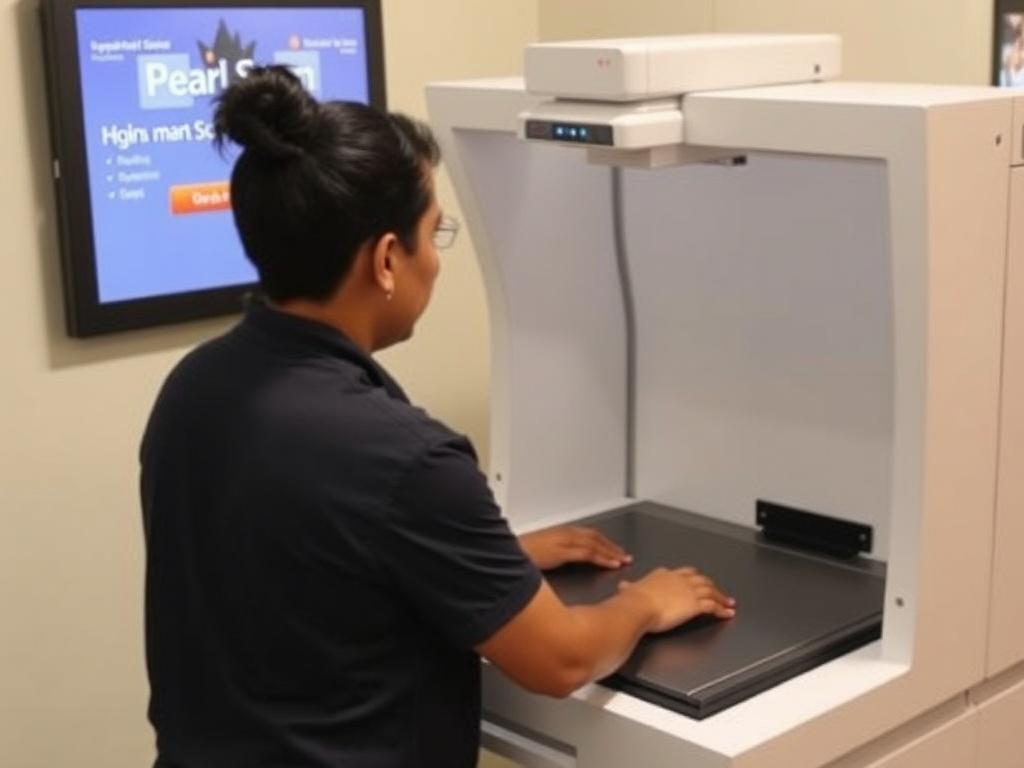
Within education, technology is central to reshaping conventional teaching and learning approaches. A notable example gaining traction recently is Optical Character Recognition (OCR). By transforming scanned images and documents into editable, searchable text, OCR improves digital learning environments and increases accessibility for both students and teachers.

Transforming Learning Materials

Digitization of Print Resources

A major advantage of OCR in schools is converting printed materials into digital formats. Paper textbooks, worksheets, and handouts can be scanned and turned into files students can open on computers, tablets, or phones. This shift cuts down on physical copies and allows instructors to adapt and refresh content quickly to suit their students’ changing needs.

Enabling Text-to-Speech Conversion

OCR also enables text-to-speech functionality, helping learners with visual impairments or learning differences access written content more readily. By converting text into spoken words, OCR lets students listen to textbooks, articles, and notes through screen readers or assistive apps. This supports inclusivity and ensures educational resources are available to everyone, regardless of ability.

Enhancing Classroom Interaction and Collaboration

Facilitating Document Sharing and Collaboration

OCR simplifies sharing and working together on documents among pupils and teachers. By digitizing handwritten notes, whiteboard sketches, and other analog content, OCR makes it easy to share and edit materials within the classroom or online learning platforms. Students can co-author projects, annotate shared files, and exchange feedback instantly, boosting engagement and teamwork.

Improving Information Retrieval

Beyond easing collaboration, OCR improves how students and educators find information. When scanned files become searchable text, users can quickly track down keywords, concepts, or citations inside large documents. This saves time and supports more effective study, research, and lesson preparation, enabling users to retrieve relevant material swiftly.

Addressing Language and Literacy Challenges

Supporting Multilingual Education

OCR is instrumental in advancing multilingual education by allowing materials to be digitized and translated into various languages. Learners from different linguistic backgrounds can access resources in their mother tongue, aiding understanding and encouraging cultural inclusion. OCR-driven translation tools also help teachers produce bilingual or multilingual lessons for diverse classrooms.

Enhancing Literacy Instruction

OCR enhances literacy teaching through interactive, tailored learning opportunities. Using text recognition and analysis, OCR-enabled apps can spot spelling, grammar, and vocabulary gaps in students’ written work. Teachers can use this insight to personalize instruction, deliver focused support, and help learners develop crucial reading, writing, and comprehension skills.

Promoting Accessibility and Inclusivity

Empowering Students with Disabilities

OCR is vital for making learning accessible to students with disabilities. By converting printed content into electronic text or audio formats, OCR allows students with visual impairments, dyslexia, or other conditions to take part fully in educational activities. Additionally, OCR-based assistive tools like screen readers and text-to-speech software enable these students to engage with digital materials independently.

Ensuring Compliance with Accessibility Standards

Adopting OCR in educational workflows helps institutions meet accessibility requirements and standards, including the Americans with Disabilities Act (ADA) and the Web Content Accessibility Guidelines (WCAG). By offering accessible versions of learning materials and using OCR tools for content creation and distribution, schools and universities show their commitment to an inclusive learning environment.

Conclusion

As technology continues to alter education, OCR stands out as a valuable resource for enabling digital learning and improving accessibility. By digitizing materials, boosting classroom interaction, tackling language and literacy issues, and fostering inclusivity, OCR helps educators craft engaging learning experiences for students of all abilities. Embracing OCR positions institutions to build a fairer, more accessible future for education.

March 10, 2024 0 comment
0 FacebookTwitterPinterestEmail
AI Tech

AI in Marketing: Customization and Customer Journey Optimization

by James Jenkins March 8, 2024
written by James Jenkins

Across a rapidly changing marketing environment, embedding artificial intelligence (AI) has opened a fresh chapter of customization and efficiency. After more than ten years of progress in AI, marketers possess sophisticated capabilities to craft individualized experiences for customers and refine each phase of the buying process. This piece explores how AI reshapes marketing, with emphasis on personalization and refining the customer journey.

Using AI to Power Tailored Marketing

Personalized approaches are now central to contemporary marketing, enabling companies to form stronger bonds with consumers and present content and offers aligned with their tastes and actions. AI is crucial for scaling personalization, processing extensive datasets such as demographics, browsing activity, purchase histories, and engagement signals.

Applying machine learning lets marketers create finer audience segments and forecast individual preferences and intents. This supports delivering precise messages and suggestions across channels — email, social platforms, websites, and mobile — improving experience, boosting engagement and loyalty, and ultimately increasing conversions.

Improving the Customer Journey with AI

Today’s customer journey is more intricate, as buyers interact with brands through numerous touchpoints and platforms before deciding. AI-powered analytics and automation help marketers fine-tune every stage, from awareness and consideration through conversion and retention.

AI provides richer visibility into behaviors and preferences, helping teams spot friction, pain points, and areas for enhancement along the path. By merging data from diverse sources and using predictive models, marketers can foresee needs, customize engagements, and deliver consistent experiences across channels.

Content Personalization Enabled by AI

Content is central to marketing, acting as the medium through which brands explain value, engage audiences, and prompt action. AI-driven content personalization makes it possible to serve the appropriate material to suitable audiences at optimal moments, increasing relevance and effectiveness.

Techniques like natural language processing and sentiment analysis can examine textual inputs from places such as social posts, reviews, and support interactions to reveal sentiment, preferences, and issues. Those insights let marketers produce content that connects emotionally, deepening engagement and resonance.

AI’s Impact on Predictive Analytics

Predictive analytics is another field where AI delivers substantial advancements in marketing. By mining historical information and detecting patterns, predictive tools can estimate outcomes like churn, customer lifetime value, and purchase probability, enabling smarter resource allocation and prioritization of high-value prospects.

In addition, AI-based predictive models support dynamic pricing, individualized product suggestions, and focused promotions, all of which enrich the customer experience and help drive revenue growth.

Conclusion

To sum up, AI is altering marketing by enabling bespoke experiences and improving the customer journey. Through technologies like machine learning, natural language processing, and predictive analytics, marketers gain deeper behavioral insights, provide customized content and offers, and foster meaningful engagement and conversions. As AI advances further, its influence on marketing will expand, allowing teams to design more efficient, effective, and customer-focused campaigns in the digital era.

March 8, 2024 0 comment
0 FacebookTwitterPinterestEmail
AI Tech

AI-driven Virtual Agents: Transforming Client Service and Support

by James Jenkins March 7, 2024
written by James Jenkins

Across the shifting world of customer support, intelligent virtual assistants driven by AI have become transformative forces, changing how companies communicate with their clients. After more than ten years of progress in artificial intelligence and natural language processing, these assistants provide tailored, effective, and 24/7 help, boosting customer satisfaction and contributing to business success.

The Rise of AI-powered Virtual Assistants

Often called chatbots or conversational agents, AI-driven virtual assistants use machine learning and natural language processing (NLP) to interpret and answer customer questions instantly. They can manage many duties—responding to FAQs, suggesting products, handling orders, and solving problems—without needing a human to step in.

A key reason businesses adopt AI virtual assistants is their capacity to provide immediate, customized help across times and channels. Whether on a website, mobile app, social network, or messaging platform, customers engage with assistants smoothly and receive timely support tailored to their needs and preferences.

Enhancing Customer Experience

Virtual assistants powered by AI significantly improve customer experience by delivering quick, accurate, and consistent service at each touchpoint. By automating routine requests and tasks, they allow human agents to concentrate on more complicated matters, shortening response times and elevating service quality.

In addition, these assistants can use past customer data and interaction histories to offer personalized suggestions and proactive help. By foreseeing customer preferences and needs, they smooth the customer journey and promote engagement and loyalty.

Driving Operational Efficiency

Aside from improving the customer experience, AI virtual assistants also boost operational efficiency. Automating repetitive queries and processes streamlines workflows, lowers operating expenses, and raises productivity. They can also manage many conversations at once, scaling support to meet increasing demand without sacrificing quality.

Moreover, assistants produce valuable analytics about customer behavior, preferences, and pain points. By reviewing interactions and feedback, companies can spot patterns, refine services, and make informed decisions to improve overall results.

Challenges and Considerations

While AI virtual assistants provide many advantages, they bring challenges businesses must address. Ensuring responses are accurate and dependable is vital, especially in complex or sensitive situations. Ongoing monitoring, training, and tuning of models are necessary to uphold quality and reduce errors or misunderstandings.

Maintaining human oversight and the ability to intervene remains important for exceptions and issues that demand human judgment or empathy. Balancing automation with human contact points is key to preserving personalized, compassionate interactions, especially in emotionally charged or complicated cases.

Future Outlook

As AI advances, virtual assistants are likely to grow more capable, supporting richer interactions and more individualized experiences. Combining assistants with technologies like voice recognition, augmented reality, and predictive analytics will open new avenues for customer service and support.

In summary, AI-driven virtual assistants mark a fundamental shift in customer service, delivering personalized, efficient, and scalable support for companies and customers. When applied thoughtfully and responsibly, businesses can unlock the full benefits of virtual assistants to raise customer satisfaction, operational efficiency, and growth in the digital era.

March 7, 2024 0 comment
0 FacebookTwitterPinterestEmail
Software

Scaling Software: Preparing for Expansion and Flexibility

by March 4, 2024
written by

As any high-speed realm in innovation, programs sizeability be a decisive contemplation for corporates seeking to extend and alter to evolving presses. Sizeability applies to a server’s capable to manage escalating taskloads and alter to adjusts in user expectations, info amounts, and network schemata. Drafting for sizeability from the launch is necessary for assuring that programs programsuite can grow unhindered and persist responsive and steadfast under various situations.

Comprehending Software Scalability

– “

Horizontal versus Vertical Scaling: Systems scale either by adding more nodes (horizontal scaling) to spread work among several instances or machines, or by boosting a single node’s capacity (vertical scaling) via resource upgrades. Horizontal scaling typically provides superior fault tolerance and flexibility, making it suitable for rapidly changing environments.

Elasticity: Elasticity is a core dimension of scalability, describing the capability to automatically allocate and release resources as demand fluctuates. Cloud platforms provide elastic scaling, enabling organizations to grow or shrink resource capacity on the fly to accommodate changing workload levels.

Plans for Future Growth.

Performance Testing: Running performance tests is essential to measure a system’s scalability and reveal likely bottlenecks and constraints. By emulating different workload scenarios and stress-loading the system, organizations can determine its capacity and behavior under varying conditions and adjust resource allocation as needed.

Architecture: Modular Creating software as a set of standalone, independently developed modules lets teams assemble applications from separate parts and testing. This pattern makes systems easier to scale because each part can be scaled on its own, and it simplifies upkeep, versioning, and feature growth.

Patterns and Techniques for Scaling

Microservices: The microservices architectural style is widely adopted to enable scalability and agility in software development. Splitting applications into small, self-contained services that can be deployed independently allows organizations to scale specific parts horizontally, release updates separately, and use resources more efficiently.

Caching: Storing frequently requested items in memory or on disk speeds up applications and helps them scale. Applying caches across different tiers, for example the application tier, the database tier, or content delivery networks (CDNs), cuts latency and boosts responsiveness, particularly for read-heavy workloads. In addition, it reduces backend load costs.

Scaling-Related Issues

Data Management: Handling large-scale datasets creates major obstacles – maintaining consistency, integrity and availability. Orgs must adopt strong data governance methods, such as partitioning, replication and sharding, to keep data reachable and dependable as systems expand.

Concurrency and Parallelism: Managing simultaneous client requests and running work in parallel is vital to scale and remain responsive, scalable, and safe. Yet coordinating concurrent activity brings issues like race conditions, deadlocks, and contention for resources, so concurrency-control strategies must be carefully designed and implemented.

What’s Next in Scalability?!

Serverless Computing: Serverless computing, often called Function as a Service (FaaS), has become popular as a scalable, cost-efficient method for creating and delivering applications. By removing infrastructure management from developers and automatically scaling resources, serverless systems let organizations concentrate on writing and shipping code without concern for the underlying infrastructure.

Edge Computing: Bringing processing power closer to the data source or user devices reduces latency and boosts responsiveness for distributed applications. By using edge platforms, organizations can deploy applications across geographically separated sites with improved scalability and greater resilience.

Final Note

Scalable software is a core element of contemporary application development, allowing companies to respond to shifting requirements, support expansion, and provide a consistent user experience. When scalability is considered from the beginning, through the use of scalable designs and methods and by embracing new technological trends, teams can create applications that expand and adapt alongside their business objectives. As technology progresses, scalability will continue to be a crucial concern for organizations aiming to remain competitive and innovative in the digital era.

March 4, 2024 0 comment
0 FacebookTwitterPinterestEmail
OCR Tech News

OCR for Heritage Archives: Safeguarding Cultural Memory Through Digitization

by James Jenkins March 3, 2024
written by James Jenkins

As digital tools transform how we preserve and reach historical records, Optical Character Recognition (OCR) has become a vital method for protecting cultural legacy. Converting printed pages, manuscripts, and other archival items into editable, searchable text, OCR supports the digitization of archives and increases access for historians, researchers, and the public.

The Importance of Preserving Historical Archives

Safeguarding Cultural Heritage

Archives hold our shared memory, keeping records, documents, and objects that reveal the past. From ancient codices and scarce volumes to archival photos and periodicals, these items illuminate the cultural, social, and political environments of earlier times. Preserving archives is crucial not only to protect cultural heritage but also to deepen our grasp of collective history and identity.

Facilitating Research and Scholarship

For researchers, scholars, and teachers, archives are indispensable sources for studying history, literature, sociology, and more. Offering primary sources and eyewitness accounts, archives let investigators perform original studies, trace historical patterns, and expand knowledge in their fields. Digitized collections speed up research and let scholars consult large document sets from anywhere in the world.

The Role of OCR in Digitizing Historical Archives

Enhancing Access and Discoverability

OCR is central to transforming archives into machine-readable content by turning printed text into digital form. Whether processing handwritten letters, printed volumes, or typewritten records, OCR opens these resources to online searching. Scholars can search digitized archives using keywords and phrases, greatly improving discoverability and streamlining research processes.

Enabling Text Analysis and Data Mining

Beyond access, OCR permits sophisticated text analysis and data mining on digitized archives. Changing scanned pages into structured text allows researchers to study trends, patterns, and linguistic changes across extensive historical collections. Text-mining tools can surface recurring themes, track language shifts over time, and pull meaningful findings from documents, enriching our historical knowledge.

Overcoming Challenges in OCR for Historical Archives

Addressing Variability in Historical Documents

A major obstacle for OCR in archives is the diversity of formats, typefaces, and historical language. Old documents may feature obsolete fonts, faint printing, or handwritten notes, complicating accurate recognition. To meet this, OCR solutions use refined image processing, machine learning, and language models trained on archival texts to boost accuracy and cope with diverse content.

Preserving Document Integrity and Authenticity

Maintaining the integrity and authenticity of digitized items is another OCR challenge. Historical pieces often contain distinctive layouts, formatting, and visual cues that are part of their value. OCR workflows must retain these features faithfully during digitization so digital surrogates mirror originals. Metadata, provenance records, and careful tagging also help preserve authenticity and provide useful context for users.

Future Directions in OCR for Historical Archives

Advancements in Multimodal OCR

OCR’s future for archives points toward multimodal systems that blend text recognition with image analysis and layout understanding. Such systems better handle complex layouts, handwritten notes, and non-text elements, improving accuracy and protecting document features. These advances will support digitizing varied archival items and expand access to historical materials for coming generations.

Collaboration and Standardization Efforts

Progress in OCR for archives relies on collaboration and shared standards. Joint efforts among computer scientists, historians, archivists, and heritage professionals foster OCR tools designed for archival needs. Establishing best practices, guidelines, and standards for digitization projects also promotes consistency and interoperability across archival collections.

Conclusion

Amid rapid technological change, OCR proves to be a transformative means of preserving and digitizing archives. By improving access, enabling textual analysis, and addressing archival challenges, OCR empowers researchers, educators, and the public to engage with cultural heritage in fresh, meaningful ways. As the technology advances, it promises to safeguard our historical legacy and reveal new perspectives on the past.

March 3, 2024 0 comment
0 FacebookTwitterPinterestEmail
Technology

Green Technology Innovations: Sustainable Solutions for a Greener Future

by James Jenkins February 28, 2024
written by James Jenkins

As the world grapples with the challenges of climate change and environmental degradation, the importance of green technology innovations has never been more apparent. From renewable energy sources to eco-friendly manufacturing processes, advances in green technology offer sustainable solutions to mitigate environmental impact and foster a greener future. In this expert analysis, we explore the latest innovations in green technology, their potential benefits, and their role in addressing pressing environmental concerns.

Harnessing Renewable Energy

Solar Power

Solar energy stands as one of the most abundant and accessible sources of renewable energy, with photovoltaic (PV) technology enabling the conversion of sunlight into electricity. Innovations in solar panel efficiency, durability, and cost-effectiveness have led to widespread adoption in residential, commercial, and utility-scale applications. Additionally, advancements in solar energy storage technologies, such as lithium-ion batteries and grid-scale storage solutions, address the intermittency of solar power, enabling reliable energy supply even during periods of low sunlight.

Wind Power

Wind energy has emerged as a prominent player in the renewable energy landscape, with wind turbines harnessing the kinetic energy of the wind to generate electricity. Continuous innovation in turbine design, materials, and site selection has significantly increased the efficiency and reliability of wind power systems. Furthermore, offshore wind farms offer vast potential for renewable energy generation, leveraging strong and consistent offshore winds to provide clean electricity to coastal regions.

Sustainable Transportation Solutions

Electric Vehicles (EVs)

The rise of electric vehicles represents a transformative shift towards sustainable transportation, reducing greenhouse gas emissions and dependence on fossil fuels. Advances in battery technology have extended the range and performance of EVs, making them a viable alternative to traditional internal combustion engine vehicles. Moreover, the development of charging infrastructure and smart grid integration further accelerates the adoption of EVs, enabling convenient and environmentally friendly mobility solutions for consumers and businesses alike.

Public Transportation and Urban Mobility

In urban areas, green technology innovations extend beyond individual vehicles to encompass public transportation systems and urban mobility solutions. From electric buses and light rail transit to bike-sharing programs and micro-mobility services, cities are embracing sustainable transportation initiatives to reduce congestion, improve air quality, and enhance the overall quality of life for residents. Integrated smart transportation systems leverage data analytics and IoT technologies to optimize routes, reduce energy consumption, and enhance the efficiency of public transportation networks.

Eco-Friendly Manufacturing and Construction

Sustainable Materials

In the manufacturing and construction sectors, the adoption of sustainable materials plays a crucial role in reducing environmental impact and promoting resource efficiency. From recycled plastics and composites to bio-based materials and low-carbon concrete, innovative material technologies offer greener alternatives to traditional construction and manufacturing practices. Additionally, advancements in 3D printing and digital fabrication enable the efficient use of materials, minimizing waste and energy consumption in the production process.

Green Buildings

The concept of green building design prioritizes energy efficiency, water conservation, and indoor environmental quality to create healthier and more sustainable built environments. Green building innovations encompass passive design strategies, energy-efficient HVAC systems, renewable energy integration, and smart building automation technologies. By optimizing building performance and reducing energy demand, green buildings contribute to carbon emissions reduction and promote environmental stewardship in the construction industry.

Conclusion

In conclusion, green technology innovations hold tremendous promise for addressing environmental challenges and advancing sustainability goals across various sectors. From renewable energy sources and sustainable transportation solutions to eco-friendly manufacturing processes and green building design, technological advancements offer tangible pathways to a greener future. By embracing and investing in green technologies, governments, businesses, and individuals can drive positive change, mitigate climate change impacts, and transition towards a more resilient and environmentally sustainable society. As we continue to prioritize innovation and collaboration in the pursuit of sustainability, green technology innovations will play a pivotal role in shaping a brighter and more sustainable future for generations to come.

February 28, 2024 0 comment
0 FacebookTwitterPinterestEmail
Software

Ongoing Monitoring of Software Performance and Security

by February 26, 2024
written by
– “

Across the modern digital environment, where business operations rely on software, maintaining both speed and protection of applications is essential. Ongoing monitoring has become an indispensable method for spotting and handling performance degradations, security gaps, and active threats as they occur….

The Value of Constant System Monitoring

Real-Time Visibility: Ongoing monitoring delivers immediate insight into how software applications, infrastructure, and networks are performing and being protected. By continuously gathering and examining data, organizations can quickly identify and address problems, reducing downtime and lowering potential risks.

Early Issue Detection: Continuous monitoring enables teams to spot performance chokepoints, weaknesses, and security risks before they grow into serious problems. By tracking key performance indicators (KPIs) and security metrics, organizations can take early action to improve performance and reinforce their security posture.

Assessing Software Performance

Key Performance Indicators (KPIs): Observing software behavior means measuring several KPIs, like response time, throughput, error frequency, and resource usage. These figures shed light on an application’s health and effectiveness, helping teams pinpoint performance chokepoints and allocate resources more efficiently.

Experience Monitoring for Users Observing how people use applications and services lets organizations grasp interaction patterns. Measuring metrics like page load durations, transaction success rates, and user satisfaction ratings enables teams to provide a smooth, quick, and engaging user experience for all platforms.

Software Security Monitoring

Vulnerability Scanning: Regular vulnerability scanning consists of periodically examining applications and infrastructure for known security flaws and weaknesses. Automated scanners detect issues in code components, libraries, and configurations, enabling organizations to promptly patch or remediate discovered vulnerabilities.

Security Incident Detection: Ongoing monitoring allows organizations to spot security incidents—like unauthorized access attempts, malware infections, and data breaches—as they occur. Watching system logs, network traffic, and user behavior lets organizations quickly identify and respond to such security threats.

Deploying Continuous Oversight Now

Automation and Integration:To enable continuous monitoring, organizations must automate and weave it into both the software development lifecycle (SDLC) and IT operations. Automated monitoring platforms and solutions gather, examine, and display data from multiple origins, delivering actionable intelligence and enabling swift decisions.

DevSecOps Standards: Continuous observation supports DevSecOps by folding security into both development and operational workflows and runtime processes. Embedding security controls, telemetry and compliance gating into CI/CD workflows, enabling teams to treat security as an enforced priority across all phases of the application lifecycle.

Advantages of Constant Monitoring

Rapid Fault Discovery: Relentless Watchfully permits rapid discovery in functioning errors, misconfigurations, and cybersec dangers, lowering the damage on commerce procedures and decreasing stoppage. By mitigating faults proactively, organisations can preserve good scales of reachability, consistency, and user gratification.

Enhanced Strategy-Choice: Constantly monitoring supplies precious info and findings that support establishments to make educated judgments about programs streamlining, capacity assignment, and risk governance. By harnessing live-data figures and analytics, establishments may maximize effectivity, improve security, and power commerce uptick.

Final note

Ongoing monitoring forms a foundation for robust software performance and security oversight, offering live visibility, early detection of issues and practical data-driven recommendations. Monitoring key KPIs and security metrics nonstop lets organizations constantly fine-tune system performance, reduce risk, and provide secure reliable experience for their customers. By using automation, tool integration, and DevSecOps approaches, teams can weave ongoing monitoring into development and operational workflows, helping them anticipate shifting threats and consistently provide meaningful outcomes to end customers.

February 26, 2024 0 comment
0 FacebookTwitterPinterestEmail
OCR Tech News

New Challenges in OCR: Managing Handwritten and Cursive Text Recognition

by James Jenkins February 25, 2024
written by James Jenkins

Optical Character Recognition (OCR) systems have progressed markedly in recent years, allowing printed text to be converted automatically into formats readable by machines. Yet as OCR advances, fresh difficulties arise, especially when dealing with handwritten and cursive scripts. This article examines the new obstacles OCR faces with handwritten and cursive text and outlines possible approaches to overcome them.

Understanding Handwritten Text Recognition

Variability in Handwriting Styles

A key obstacle for recognizing handwritten text is the huge variation in individual handwriting. Unlike printed fonts that follow consistent typographic rules, handwriting varies widely in letter form, size, tilt, and spacing. This diversity makes it hard for OCR systems to consistently interpret different handwriting styles and produce accurate results.

Contextual Ambiguity and Disambiguation

Handwritten characters also introduce contextual ambiguity that complicates recognition. Handwriting frequently lacks distinct character separations, creating uncertainty in segmenting and identifying symbols. Cursive writing adds another layer of difficulty because letters can join or overlap, obscuring individual characters. OCR solutions must use advanced pattern recognition and machine learning to resolve these ambiguities and reconstruct the intended text.

Overcoming Challenges in Handwritten Text Recognition

Integration of Deep Learning Algorithms

To tackle handwritten text issues, many OCR systems now adopt deep learning methods like convolutional neural networks (CNNs) and recurrent neural networks (RNNs). These architectures are well suited to learn intricate patterns from large datasets, helping capture handwriting variability and contextual cues. Training models on wide-ranging handwriting samples allows deep learning approaches to boost recognition accuracy and robustness for handwritten and cursive content.

Utilizing Language Models and Contextual Information

Beyond neural architectures, OCR systems make use of language models and contextual cues to improve handwritten recognition. Language models—such as n-grams and recurrent neural language models—supply linguistic constraints that steer the recognition process. Combining language models with OCR algorithms lets systems use context to disambiguate, correct mistakes, and raise the overall fidelity of handwritten text recognition.

Challenges in Cursive Text Recognition

Complex Character Connectivity

Cursive script brings its own difficulties because of the fluid links between letters. In cursive, characters often connect into ligatures and loops that blur the boundaries of individual letters. OCR must segment and recognize single letters within these connected forms while respecting how they link together, requiring sophisticated methods that can interpret intricate connectivity patterns.

Recognition of Cursive Variants and Styles

Recognizing different cursive variants and personal styles is another hurdle. Cursive handwriting ranges from formal, traditional scripts to more modern, idiosyncratic hand-formed letters. OCR systems need exposure to many cursive examples to adapt effectively to varied styles, and incorporating domain knowledge and heuristics can help detect common cursive variants and stylistic features.

Future Directions and Solutions

Multimodal Approaches to Text Recognition

To better handle handwritten and cursive text, OCR research is exploring multimodal strategies that fuse multiple information sources—visual, spatial, and linguistic. Multimodal OCR pairs image analysis, segmentation, and language processing to capture the broader context of handwriting and improve accuracy. By combining complementary cues, these systems become more robust across diverse handwriting styles.

Continuous Learning and Adaptation

Alongside technical advances, continual learning and adaptation are crucial for enhancing OCR on handwritten and cursive text. Feedback loops that let systems learn from recognition errors and user corrections over time are beneficial. Iteratively refining models and expanding training data using user input helps OCR adapt to changing handwriting styles and perform better in practical settings.

Conclusion

Even as OCR technology advances, recognizing handwritten and cursive text remains a difficult challenge. Variations in handwriting, ambiguous contexts, and intertwined character structures create major hurdles. Still, with progress in deep learning, language modeling, and multimodal techniques, OCR is steadily improving. Addressing these evolving challenges will enable more effective digitization of historical records, better accessibility, and preservation of cultural artifacts for future generations.

February 25, 2024 0 comment
0 FacebookTwitterPinterestEmail
AI Tech

Interpreting Machine Learning: Explaining Model Choices and Outputs

by James Jenkins February 23, 2024
written by James Jenkins

Within machine learning, being able to explain and comprehend a model’s predictions and choices is vital to maintain transparency, build trust, and enable accountability. As algorithms grow in complexity and are adopted across many sectors, the demand for models that can be interpreted has become more urgent. This article examines machine learning interpretability and outlines methods to gain clarity about model behavior.

The Importance of Interpretability in Machine Learning

Interpretability describes how well a person can follow the reasons behind a model’s outputs or decisions. In high-stakes areas like healthcare, finance, and the justice system, models that are interpretable are crucial for revealing the drivers of outcomes and for promoting fairness and responsibility.

Additionally, interpretability supports debugging, validating, and refining models by helping practitioners spot and correct biases, mistakes, and weaknesses in data or model design. Transparent models also increase confidence and acceptance among stakeholders—regulators, policymakers, and users—which in turn encourages the deployment of machine learning solutions.

Challenges in Interpreting Machine Learning Models

Interpreting machine learning systems presents multiple difficulties, especially with complex architectures such as deep neural networks. Simpler, linear approaches like logistic regression are naturally easier to interpret because the link between inputs and outputs is more direct. Yet, as models gain complexity, tracing their decision logic becomes much harder.

A key difficulty is the black-box characteristic of certain algorithms, notably deep learning. These systems process data in high dimensions and discover complicated patterns and representations, which complicates understanding how particular inputs produce specific outputs. Moreover, interactions among features and non-linear transformations further mask the model’s internal reasoning.

Techniques for Interpreting Machine Learning Models

Despite these obstacles, many methods exist to improve model interpretability. Feature importance techniques, for example, estimate how much each input contributes to the model’s predictions, helping to identify the most impactful features. Methods like permutation importance, SHAP (SHapley Additive exPlanations), and LIME (Local Interpretable Model-agnostic Explanations) provide ways to evaluate feature influence at both global and local scales.

Model-agnostic approaches such as partial dependence plots and individual conditional expectation plots also offer straightforward visual tools to show how a single feature affects predictions over its range of values. These tools apply to many different algorithms, helping practitioners interpret even complex models more effectively.

Beyond Interpretability: Towards Explainable AI

While interpretability is important, it alone does not guarantee that a model is trustworthy or transparent. Explainable AI (XAI) aims to produce explanations that are not just informative about decisions but are also clear, consistent, and useful for users. XAI emphasizes creating human-friendly explanations of model behavior to build trust and support human–machine collaboration.

One XAI strategy is to incorporate domain expertise and specialist knowledge into model development, which can improve clarity around decisions. Hybrid approaches that blend interpretable models with highly predictive ones present a promising path to achieve both strong performance and understandable reasoning in applied machine learning.

Conclusion

In summary, interpretability in machine learning is key to making sense of model predictions, ensuring openness, responsibility, and trust in AI systems. Although interpreting complex models is challenging, a range of techniques and practices exist to boost interpretability and advance explainable AI. By emphasizing interpretability and explainability during model creation, practitioners can produce more transparent and reliable machine learning systems that serve the public good.

February 23, 2024 0 comment
0 FacebookTwitterPinterestEmail
Technology

The Future of Quantum Internet: Secure Communication and Data Transfer

by James Jenkins February 21, 2024
written by James Jenkins

The concept of a quantum internet has captured the imagination of scientists and technologists worldwide, promising a revolutionary leap forward in secure communication and data transfer. Unlike conventional internet protocols based on classical computing principles, a quantum internet harnesses the power of quantum mechanics to enable unparalleled levels of security and efficiency. In this expert analysis, we delve into the potential of quantum internet technology, exploring its key principles, challenges, and future prospects.

Understanding Quantum Internet

Leveraging Quantum Mechanics

At the heart of the quantum internet lies the principles of quantum mechanics, a branch of physics that governs the behavior of particles at the smallest scales. Quantum communication relies on the phenomenon of quantum entanglement, wherein particles become intrinsically linked, regardless of the distance separating them. This phenomenon enables the transmission of quantum bits or qubits, the fundamental units of quantum information, with properties such as superposition and entanglement.

Quantum Key Distribution (QKD)

One of the most promising applications of quantum internet technology is quantum key distribution (QKD), a method for secure communication based on the principles of quantum mechanics. QKD allows two parties to establish a shared secret key with unconditional security, immune to eavesdropping attempts due to the laws of quantum physics. By leveraging quantum entanglement, QKD ensures that any attempt to intercept or measure the transmitted qubits would disrupt the communication, thereby alerting the legitimate parties to the presence of an intruder.

Advantages and Applications

Unbreakable Encryption

The primary advantage of quantum internet technology lies in its ability to provide unbreakable encryption for communication and data transfer. Unlike classical encryption algorithms, which may be vulnerable to brute-force attacks or advances in computing power, quantum encryption techniques rely on the inherent properties of quantum mechanics, offering provably secure communication channels.

Quantum Computing

In addition to secure communication, the development of a quantum internet paves the way for quantum computing, a paradigm that harnesses the principles of quantum mechanics to perform complex computations at speeds far beyond the capabilities of classical computers. Quantum internet infrastructure would enable the interconnection of quantum processors, facilitating distributed quantum computing tasks and unlocking new possibilities in fields such as cryptography, optimization, and materials science.

Challenges and Limitations

Technical Complexity

Building a quantum internet poses significant technical challenges, including the need to develop reliable methods for generating, manipulating, and detecting quantum states over long distances. Quantum information is fragile and prone to decoherence, wherein qubits lose their quantum properties due to interactions with the environment. Overcoming these challenges requires advancements in quantum hardware, error correction techniques, and quantum repeater technology to extend the range of quantum communication.

Scalability and Compatibility

Another hurdle facing the realization of a quantum internet is scalability and compatibility with existing infrastructure. While quantum communication protocols have demonstrated feasibility in laboratory settings, scaling these technologies to a global network requires addressing practical considerations such as network integration, interoperability with classical systems, and the development of quantum repeaters capable of extending the reach of quantum signals over vast distances.

Future Prospects

Quantum Internet Infrastructure

Despite the challenges, researchers and industry stakeholders are making significant strides towards the realization of a quantum internet. Initiatives such as the Quantum Internet Alliance and government-funded research programs are driving innovation in quantum networking technologies, with a focus on developing scalable architectures, robust communication protocols, and practical applications for quantum communication and computing.

Real-World Applications

Looking ahead, the future of quantum internet holds immense promise for transforming secure communication, data transfer, and computing across various sectors. From financial transactions and cybersecurity to scientific research and national defense, quantum internet technology has the potential to revolutionize how information is transmitted, processed, and protected in an increasingly interconnected world.

Conclusion

In conclusion, the future of quantum internet represents a paradigm shift in secure communication and data transfer, leveraging the principles of quantum mechanics to achieve unprecedented levels of security, efficiency, and scalability. While significant challenges remain on the path to realizing a global quantum network, ongoing research and collaboration are driving innovation and advancing the frontiers of quantum communication and computing. By harnessing the potential of quantum internet technology, we stand poised to usher in a new era of secure and interconnected digital infrastructure, shaping the future of communication for generations to come.

February 21, 2024 0 comment
0 FacebookTwitterPinterestEmail
Software

Software Maintenance and Legacy System Modernization Approaches

by February 19, 2024
written by

Software Upkeep and Modernization Approaches for Legacy Systems

Older I.T. platforms pose frequent problems for companies, including obsolete systems, rising upkeep expenses, and restricted scaling capabilities. Still, by applying proper upkeep practices and modernization tactics, organizations can address these problems and open doors to fresh possibilities for creativity and expansion.

Knowing Software Maintenance Guide

Types of Maintenance: Software maintenance involves a range of tasks intended to sustain and increase the usefulness of software already in operation. These tasks include corrective maintenance to resolve defects and faults, adaptive maintenance to adjust to environmental changes, perfective maintenance to enhance features, and preventive maintenance to avert potential problems.

Importance of Maintenance: Regular upkeep is vital for preserving the dependability, performance, and security of software systems. Skipping maintenance can result in more downtime, exposed security flaws, and reduced user satisfaction. By making maintenance a priority, organizations can lengthen the useful life of their software and optimize return on investment.

Issues in Older Systems.

Aged Infrastructure: Older enterprise systems typically operate on legacy technology stacks, making maintenance and integration with modern platforms harder. Compatibility issues often surface when linking to new systems or external services, impeding innovation and overall business agility.

High Maintenance Costs: Supporting outdated systems is expensive, demanding expert personnel and dedicated resources to fix problems like application defects, failing hardware, and security holes. Older platforms often receive little vendor assistance or infrequent patches, elevating the chances of outages and compromised data.

Approaches to Maintaining Software.

Ongoing Observation and Enhancement: Adopting a forward-looking strategy for software upkeep requires constant observation of system performance, dependability, and protection. By spotting and resolving problems early, companies can avoid expensive outages and reduce possible threats.

Automated Testing and Deployment: Using automated testing and deployment tools can simplify the maintenance process and lower the chance of human error. Automated tests confirm software changes and ensure compatibility with current functionality, while automated deployment pipelines allow for fast and dependable software releases.

Legacy System Modernization Strategies

Replatforming: Replatforming entails moving outdated systems onto contemporary platforms or infrastructure — for example, cloud-hosted solutions or container-based setups. By doing so, organizations can tap into the scalability, adaptability, and cost-efficiency of modern technologies while maintaining existing capabilities.

Refactoring: Refactoring involves reorganizing or rewriting parts of an existing codebase to enhance maintainability, performance, and scalability. Updating the code structure and following established practices helps organizations lower technical debt and enable easier future improvements.

Replacement: Often organizations find that swapping out an outdated system for a contemporary packaged product or a tailored in-house solution is the best path. Although this approach requires initial investment and carries uncertainties, it enables use of current tools, better satisfies operational needs, and simplifies workflows too.

End Result

Maintaining software and updating legacy systems are essential parts of sound IT governance, allowing organizations to respond to evolving business demands, reduce threats, and remain competitive in the modern digital environment. By adopting preventative upkeep practices and pursuing modernization tactics, companies can enhance the efficiency, dependability, and scalability of their software platforms, fostering innovation and sustainable growth.

February 19, 2024 0 comment
0 FacebookTwitterPinterestEmail
OCR Tech News

Exploring OCR in Banking: Meaning and Uses

by James Jenkins February 18, 2024
written by James Jenkins

Within banking, where paperwork is vast and precision is critical, Optical Character Recognition (OCR) has become a pivotal innovation. This article examines OCR in banking, outlining what it is, how it is used, and the ways it transforms workflows and improves customer service.

What is OCR in Banking?

The Basics of Optical Character Recognition

OCR converts various document formats—scanned papers, PDFs, or photos taken with digital cameras—into editable, searchable text. It electronically transforms images of typed or printed material into characters that machines can read, allowing computers to process and work with the extracted text.

In banking, OCR is essential for automating document-heavy tasks like loan filing, opening accounts, and maintaining compliance records. By digitizing documents and pulling out key data, OCR helps banks speed up processing, reduce mistakes, and boost efficiency.

Key Components and Functionality

An OCR solution includes several parts: image preprocessing, feature extraction, and character recognition engines. Preprocessing improves scanned document quality—removing noise, converting to binary, and correcting skew—to raise the chances of accurate recognition.

Feature extraction inspects text structure—font attributes, size, and spatial layout—to isolate characters. Then recognition algorithms, often using pattern matching and machine learning, compare these features to known character models to transcribe the content correctly.

Applications of OCR in Banking

Streamlining Account Opening Processes

A major use of OCR in banking is simplifying the account opening experience. In the past, starting a new account required completing multiple paper forms and supplying ID documents, a process that could be slow and prone to input errors.

OCR lets banks automatically read information from IDs like driver’s licenses, passports, or utility bills to prefill account forms with precise customer details. This cuts manual entry time, lowers error rates, and supports compliance with regulatory requirements.

Improving Loan Origination and Processing

OCR is also vital for making loan origination and processing more efficient. Loan files often include many documents—income proofs, tax forms, and property papers—that must be reviewed and handled carefully.

Using OCR, banks can extract crucial details from loan paperwork—borrower names, requested amounts, and collateral descriptions—speeding approvals, improving credit assessments, and delivering quicker responses to applicants. OCR-driven automation also improves document handling and preserves detailed audit trails for regulators.

Enhancing Fraud Detection and Compliance

As banking becomes more digital, detecting fraud and meeting regulatory obligations grow more important. OCR strengthens banks’ ability to spot fraudulent behavior and comply with AML and KYC requirements.

By extracting and analyzing data from transactional documents like checks, invoices, and statements, OCR helps reveal unusual patterns, suspicious transactions, and potential fraud. OCR-based compliance tools also speed identity screening against sanctions lists and regulatory databases, reducing financial risk and supporting regulatory adherence.

Conclusion

In summary, Optical Character Recognition (OCR) has transformed document handling and automation across the banking industry. By converting and extracting data from diverse documents, OCR streamlines account opening, accelerates loan processing, and strengthens fraud detection and compliance.

As banks continue pursuing digital transformation, OCR will become even more central to improving operational performance, cutting costs, and delivering better customer experiences. When used effectively, OCR helps banks remain competitive in a rapidly changing landscape.

February 18, 2024 0 comment
0 FacebookTwitterPinterestEmail
AI Tech

AI Research Ethics: Responsible Development and Deployment of AI

by James Jenkins February 16, 2024
written by James Jenkins

Artificial Intelligence (AI) has clearly transformed many sectors, from healthcare to banking, by automating tasks, streamlining workflows, and improving decision-making. Yet as AI evolves, the moral questions tied to its creation and use gain importance. This article explores why ethics matter in AI research, highlighting principles for developing and deploying AI responsibly.

Understanding Ethical Considerations in AI

Ethical issues in AI research cover many topics, such as fairness, openness, responsibility, privacy, and the wider societal effects. As AI technologies play a larger role in everyday life, it is critical to ensure they respect ethical norms and reflect public values. Responsible AI work demands both technical solutions and an awareness of how these technologies impact society at large.

Fairness is a core ethical tenet in AI. Systems must be built and trained to reduce bias and provide fair outcomes for different demographic groups. Tackling biased datasets, prejudiced algorithms, and discriminatory decision processes is vital to avoid AI perpetuating or worsening existing social injustices.

Responsible AI Development Practices

Creating AI responsibly starts with nurturing an ethical mindset within organizations engaged in AI design and research. This includes putting in place explicit policies and standards for ethical AI across design, development, and rollout. Cross-disciplinary cooperation among ethicists, social scientists, regulators, and engineers is also important to bring varied viewpoints and reduce potential harms.

Additionally, transparency is essential for gaining trust in AI. Developers should aim to make algorithms and their decision logic understandable to those affected, allowing for oversight and responsibility. Sharing codebases, explaining AI-driven decisions, and encouraging public discussion about AI ethics are key actions to improve transparency.

Ensuring Accountability and Oversight

Mechanisms for accountability are necessary to ensure people and organizations answer for the results of AI systems. Defining clear responsibilities, and creating processes for remedying harm or unintended effects, is crucial. In addition, regulatory supervision and governance structures help enforce ethical norms and reduce risks tied to AI use.

Respecting user privacy and protecting data are also part of ethical AI. Developers should emphasize data security, limit data collection and retention, and secure informed consent for processing user information. Strong cybersecurity practices and compliance with laws like the GDPR are key to protecting individuals’ privacy rights.

Societal Impact and Stakeholder Engagement

Assessing AI’s broader societal consequences requires continuous engagement with a range of stakeholders, including policymakers, NGOs, and affected populations. Ethical AI should focus on safeguarding individuals’ welfare and autonomy, and be sensitive to the cultural, social, and economic environments where systems are deployed.

In summary, ethical considerations in AI research are vital for ensuring technologies are developed and launched responsibly. By centering values like fairness, transparency, accountability, and privacy, practitioners can reduce harms and enhance AI’s benefits to society. Adopting an ethical approach in AI work builds trust and supports a fairer, more inclusive future powered by these technologies.

February 16, 2024 0 comment
0 FacebookTwitterPinterestEmail
Technology

Edge Computing vs. Cloud Computing: A Comparative Analysis

by James Jenkins February 14, 2024
written by James Jenkins

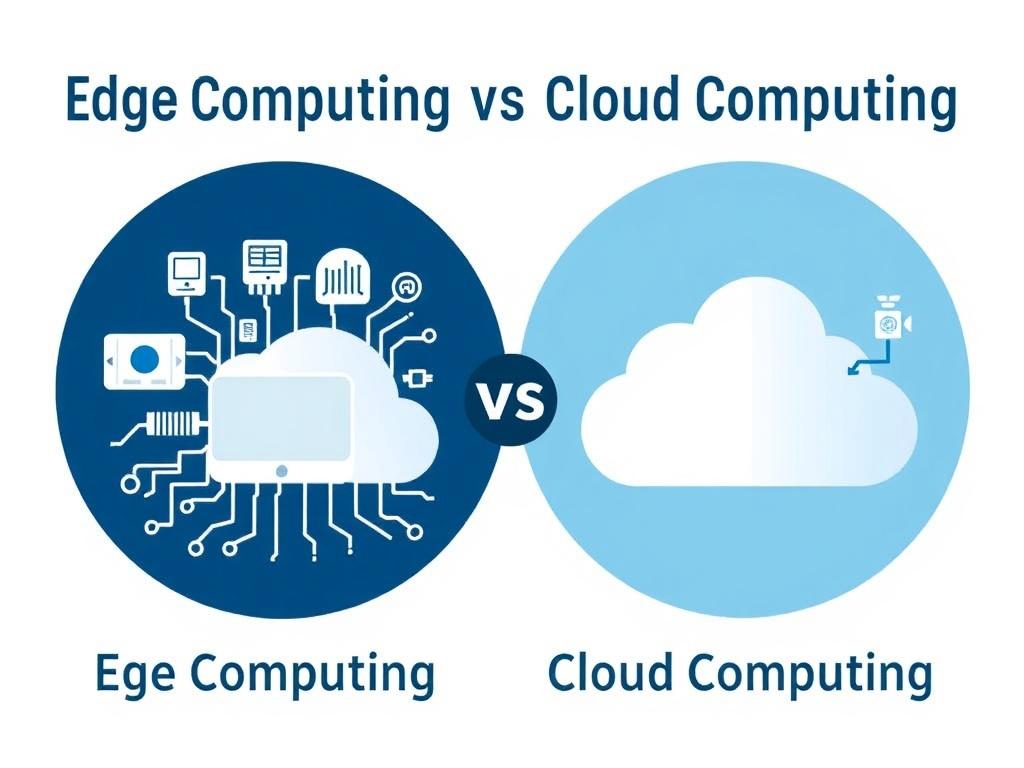
As technology continues to evolve, the realms of edge computing and cloud computing have emerged as pivotal paradigms shaping the digital landscape. While both offer solutions for processing and managing data, they differ significantly in their approaches and applications. In this comprehensive analysis, we explore the distinctions between edge computing and cloud computing, their respective advantages, and the scenarios in which each excels.

Understanding Edge Computing

Decentralized Processing

Edge computing involves processing data closer to its source rather than relying solely on centralized cloud servers. This decentralized approach brings computation and storage capabilities closer to the edge of the network, reducing latency and enhancing real-time responsiveness. By leveraging edge devices such as IoT sensors, gateways, and edge servers, organizations can analyze and act upon data locally, without the need to transmit it to distant data centers.

Key Characteristics

The key characteristics of edge computing include low latency, bandwidth optimization, and the ability to operate in disconnected or intermittently connected environments. These attributes make edge computing well-suited for applications requiring rapid decision-making, such as industrial automation, autonomous vehicles, and remote monitoring systems. Additionally, edge computing minimizes reliance on centralized infrastructure, enhancing resilience and mitigating the impact of network outages or latency issues.

Exploring Cloud Computing

Centralized Infrastructure

Cloud computing, on the other hand, revolves around the centralized provision of computing resources over the internet. Organizations leverage cloud services, such as infrastructure-as-a-service (IaaS), platform-as-a-service (PaaS), and software-as-a-service (SaaS), to access scalable computing power, storage, and applications on-demand. Cloud providers host and manage these services in data centers, offering reliability, scalability, and accessibility to users worldwide.

Scalability and Flexibility

Cloud computing offers unparalleled scalability and flexibility, allowing organizations to scale resources up or down according to demand, pay for what they use, and rapidly deploy applications without the need for extensive infrastructure investments. Moreover, cloud services enable collaboration, data sharing, and remote access, facilitating modern work practices and driving digital transformation across industries.

Comparative Analysis

Performance and Latency

Edge computing excels in scenarios where low latency and real-time responsiveness are paramount. By processing data locally at the edge of the network, edge computing minimizes the time taken to transmit and receive data, enabling faster decision-making and enhancing user experiences. In contrast, cloud computing may introduce latency due to data transmission to and from distant data centers, making it less suitable for latency-sensitive applications.

Reliability and Resilience

Edge computing offers inherent resilience by distributing computation and storage closer to the source of data generation. This decentralized architecture reduces dependence on centralized infrastructure and mitigates the impact of network failures or outages. However, cloud computing may offer higher levels of reliability through redundant data centers, failover mechanisms, and robust network connectivity.

Cost Considerations

Edge computing can help mitigate bandwidth costs by processing and filtering data locally before transmitting it to the cloud for further analysis or storage. This approach reduces the volume of data transferred over the network, minimizing bandwidth consumption and associated costs. However, deploying and maintaining edge infrastructure may entail upfront capital expenditures and ongoing operational expenses, whereas cloud computing typically follows a pay-as-you-go pricing model, offering cost predictability and scalability.

Conclusion

In conclusion, edge computing and cloud computing represent distinct paradigms with unique strengths and applications. While edge computing offers low latency, resilience, and bandwidth optimization for edge-centric use cases, cloud computing provides scalability, reliability, and accessibility for a wide range of applications and workloads. Ultimately, the choice between edge computing and cloud computing depends on the specific requirements, priorities, and constraints of each use case, with many organizations adopting hybrid approaches to leverage the benefits of both paradigms. By understanding the comparative advantages and trade-offs of edge and cloud computing, organizations can make informed decisions to drive innovation and achieve their business objectives in an increasingly interconnected and data-driven world.

February 14, 2024 0 comment
0 FacebookTwitterPinterestEmail
Software

Containers’ Role in Contemporary Software Deployment

by February 12, 2024
written by

Container technology has transformed application delivery, bringing a wide range of gains in performance, scale and portability. In today’s accelerated development environment, grasping how containers work is crucial to increase output and to guarantee smooth, reliable release workflows. and rapid rollouts. DevOps

How Container Systems Work Now

Containerization Basics: Containers are compact, portable, and self-contained packages that bundle an application with its dependencies so it runs the same way in any environment. Unlike traditional virtual machines, containers rely on the host operating system’s kernel, giving faster startup and lower resource overhead.

Container Coordination: Platform solutions like Kubernetes or Docker Swarm handle rolling out, scaling, and administering container-based services. They deliver robust, enterprise-grade capabilities for coordinating distributed microservice systems while maintaining redundancy, uptime, and resilience against failures.

Benefits & Use of Containers

Uniformity and Separation: Software and their libraries are packaged within containers to provide the same execution conditions for development, testing and production stages. Keeping containers separate avoids interference and helps maintain reliable, secure operation of services.

– “

Scalable Performance and Efficiency: Containers allow scaling out, so apps can easily absorb additional load by spawning or terminating container copies on demand, without manual intervention or lengthy provisioning cycles. Their small footprint and good use of resources help cut infrastructure expenses and boost overall resource usage.

Portability and DevOps Practices: Containers support DevOps workflows by allowing developers to build, test, and release applications consistently across various environments. Container images are easy to share and run, simplifying the development and deployment pipeline and shortening time to market.

Containerization Use Scenarios

Service-Oriented Containers: Containers work especially well for service-oriented designs where systems are split into numerous small, autonomous components. Using containers gives the flexibility and scale necessary to roll out and operate many services in an efficient manner every day.

Continuous Integration/Continuous Deployment (CI/CD): Containers are essential to CI/CD workflows, enabling automated testing, integration, and the deployment of applications. Using containerized setups guarantees uniformity across development, testing, and production environments, supporting speedy and dependable software releases.

Hybrid plus Multi-cloud Strategies: Containers allow firms to implement hybrid and multi-cloud approaches, enabling apps to run across on-premises and public clouds without friction. Orchestration systems offer a single pane for management and governance, easing administration across mixed infrastructures at multiple scales.

Problems and Critical Factors

Security: Containers isolate applications, but protecting them demands following established measures – for example, scanning images, tracking vulnerabilities, and enforcing minimal privileges. Hardening containerized systems is vital to safeguard confidential information and reduce exposure to attacks. and cut exposure risks.

Resource Management: Effectively overseeing resources in container-based systems is often difficult, particularly across dynamic, widely distributed architectures. Adequate monitoring, careful resource assignment, and autoscaling policies are required to improve utilization and maintain performance.

Complexity: Moving to containers and orchestration systems brings added complexity across infrastructure management, networking, and service discovery. Firms need to allocate resources for staff training and automation tools to run and maintain containerized systems effectively.

Final note

Containerization has become a pivotal approach to contemporary software delivery, providing unmatched adaptability, scalability, and efficiency. By adopting containers, organizations can simplify development and deployment workflows, accelerate innovation, and gain greater responsiveness in today’s competitive environment. Nevertheless, effective adoption calls for careful attention to matters such as security, resource allocation, and operational complexity to ensure container-based environments remain robust, scalable, and resilient.

February 12, 2024 0 comment
0 FacebookTwitterPinterestEmail
OCR Tech News

The Future of Document Handling: OCR and Automation Trends

by James Jenkins February 11, 2024
written by James Jenkins

In the current digital era, managing documents is a vital component of organizational productivity and operational efficiency. As data volumes surge and the demand for smoother workflows rises, the importance of Optical Character Recognition (OCR) and automation in handling documents grows ever greater. Looking forward, it is important to recognize the new trends that will influence document management.

Developments in Optical Character Recognition (OCR)

Improved Accuracy and Recognition Skills

OCR has advanced markedly in both accuracy and recognition power. Earlier systems struggled to interpret ornate fonts, handwriting, or low-quality images reliably. Recent breakthroughs in machine learning and artificial intelligence have transformed OCR algorithms, enabling them to detect text with far greater precision even in difficult conditions.

Modern OCR systems use deep learning trained on large datasets to steadily enhance recognition performance. They now reliably handle multiple languages, typefaces, and handwriting styles, becoming essential for firms working across varied linguistic settings.

Immediate Processing and Instant Outcomes

A key trend is the shift toward immediate processing and instant output. Traditional OCR required scanning and offline processing, which introduced delays in retrieving and handling documents. Contemporary OCR offers live processing, allowing text to be extracted from documents on the spot.

Real-time OCR speeds up operations and enables companies to answer customers quickly, mine insights from unstructured content, and automate document workflows as they occur. This capability is particularly valuable in sectors like finance, healthcare, and legal services, where timely information is critical to decision-making.

Combining OCR with Smart Automation

Smooth Integration into Workflow Automation Systems

To boost efficiency, organizations are pairing OCR with intelligent automation platforms. Embedding OCR into workflow automation lets businesses automate repetitive document tasks, simplify processes, and cut down on manual work.

These platforms use OCR to pull data from invoices, contracts, and forms and auto-fill fields in applications or databases. That speeds up data entry and lowers manual-entry errors, improving the accuracy and reliability of business data.

Intelligent Document Automation

Cognitive document automation merges OCR with cognitive computing like natural language processing (NLP) and machine learning. Unlike rule-based systems that depend on templates, these solutions can comprehend document content and autonomously handle complex tasks.

By deploying cognitive document automation, organizations can automate advanced document workflows—such as contract management, compliance checks, and fraud detection. These tools analyze unstructured data, extract key insights, and act on contextual understanding to drive operational excellence and competitive advantage.

Security and Regulatory Considerations

Protecting Data Privacy and Security

With growing dependence on OCR and automation, safeguarding data privacy and security is crucial. Organizations need strong safeguards to shield sensitive information from unauthorized access, breaches, and cyberattacks.

Encryption, access controls, and audit logs form the backbone of document security. Organizations should also comply with regulations like GDPR, HIPAA, and CCPA to reduce legal and financial exposure from privacy violations.

Tackling Ethics and Bias Issues

Ethics and bias mitigation are key concerns for OCR and automation in document workflows. Algorithms behind OCR and automation should be transparent, accountable, and impartial to ensure fair outcomes and decision-making.

Organizations must routinely audit OCR and automation processes to spot and correct biases or discriminatory effects. Encouraging diversity in algorithm development and training datasets helps reduce bias and supports ethical use of technology in document management.

Conclusion

Document management’s future is tightly linked to advances in OCR and intelligent automation. As companies digitize operations and embrace automation, demand for sophisticated OCR and cognitive document automation solutions will rise. Staying informed about emerging trends and adopting innovative approaches allows businesses to achieve greater efficiency, innovation, and growth in the digital age.

February 11, 2024 0 comment
0 FacebookTwitterPinterestEmail
AI Tech

Language Generation Systems (NLG): From Summaries and Abstractions to Content.

by James Jenkins February 9, 2024
written by James Jenkins

Within artificial intelligence, Natural Language Generation (NLG) is a game-changing capability that connects machines to human speech and writing. Over more than ten years of progress, NLG has progressed from rudimentary summarization software to advanced engines that can produce sophisticated material across many fields.

The Evolution of NLG

Created at first to handle straightforward summarization, NLG has undergone substantial development. Early tools aimed to distill essential points from vast texts into brief overviews. As machine learning improved, however, NLG systems grew better at grasping context, tone, and even generating imaginative prose.

A pivotal development in NLG was the arrival of neural network approaches. Models like the GPT (Generative Pre-trained Transformer) family transformed the discipline by training on massive corpora to produce fluent, context-aware output. Learning from enormous text collections allowed these architectures to outperform earlier methods in both fidelity and adaptability.

Applications of NLG

NLG is applied in many sectors, changing how content is produced and consumed. In newsrooms, NLG creates articles, summaries, and game recaps, enabling reporters to devote more time to investigative stories and analysis. In online retail, it generates product copy, tailored suggestions, and conversational agents, boosting customer interaction and conversions.

Additionally, NLG is transforming healthcare by automating clinical report writing, patient messaging, and supporting diagnosis through symptom interpretation. In the financial world, NLG systems parse complex datasets to craft investment briefings, market commentary, and risk evaluations, giving leaders practical insights.

Challenges and Future Directions

Despite progress, NLG confronts multiple challenges. A key issue is making sure outputs are correct, impartial, and do not spread falsehoods. Ethical dilemmas also surface around using NLG to disseminate misinformation or influence public sentiment.

Moreover, deepening models’ comprehension of context, tone, and stylistic nuance remains a central research goal. Although current NLG systems produce coherent prose, equipping them with a subtle grasp of emotion and cultural context is still a work in progress.

Looking forward, NLG’s prospects are bright. Progress in deep learning, reinforcement learning, and transfer learning should further expand NLG capabilities. From crafting engaging narratives to enabling smooth human–machine exchanges, NLG is set to transform how we communicate and create content digitally.

In summary, Natural Language Generation has dramatically evolved from basic summarizers to robust content-creation engines. With diverse uses and ongoing improvements, NLG remains at the cutting edge of AI innovation, influencing the future of human–machine interaction and content production.

February 9, 2024 0 comment
0 FacebookTwitterPinterestEmail
Technology

Trends in Cloud Computing: Serverless Architectures and Function-as-a-Service (FaaS)

by James Jenkins February 7, 2024
written by James Jenkins

As cloud computing reshapes business operations, serverless designs and Function-as-a-Service (FaaS) have become central trends driving change. Promising improved efficiency, elastic scaling, and lower costs, these solutions are quickly being adopted by organizations aiming to refine their digital platforms. This article examines the development of serverless models and FaaS, assessing their advantages, obstacles, and future directions.

Understanding Serverless Architectures

The Paradigm Shift

Historically, running servers was a core responsibility of IT teams, demanding time and specialized skills. Serverless architectures, however, mark a major shift by removing the burden of infrastructure management. Rather than provisioning and overseeing servers, engineers write and deploy application code while the cloud provider transparently manages the underlying resources.

Key Components

Functions lie at the center of serverless systems—compact code units created to carry out defined tasks. These functions respond to events like HTTP calls or changes in a database and run inside temporary containers the provider supplies. This event-driven approach enables exceptional flexibility and automatic scaling, adjusting capacity to meet demand without manual intervention.

Function-as-a-Service (FaaS)

Empowering Developers

Function-as-a-Service (FaaS) extends the serverless idea by allowing teams to deploy single functions without handling any infrastructure. With FaaS, developers concentrate solely on code, freed from worries about servers, scaling, or upkeep. This model speeds up delivery cycles and encourages creativity by enabling rapid experimentation and iteration.

Cost-Efficiency

A standout benefit of FaaS is its economic efficiency. Unlike conventional server-centric setups where capacity sits idle and still costs money, FaaS bills only for actual function execution time. This usage-based pricing can substantially cut infrastructure expenses, making FaaS an appealing choice for teams wanting to balance cost and performance.

Benefits and Challenges

Benefits of Serverless Architectures and FaaS

  • Scalability: Serverless setups and FaaS solutions provide exceptional scalability, dynamically allocating resources to meet changing demand.
  • Cost-Efficiency: Removing the need to provision and maintain servers reduces infrastructure spending, allowing organizations to pay only for consumed resources.
  • Developer Productivity: By abstracting infrastructure responsibilities, developers can concentrate on code, accelerating development and encouraging innovation.

Challenges to Consider

  • Vendor Lock-in: Moving to serverless and FaaS platforms can create reliance on a specific cloud provider, which may limit portability and flexibility.
  • Performance Considerations: Although serverless offers scalable capacity, latency can occur due to the overhead of initializing and destroying containers.
  • Security Concerns: As with any cloud-based approach, securing serverless applications demands strong practices to mitigate vulnerabilities and breaches.

Future Outlook

Despite these hurdles, the outlook for serverless models and FaaS is bright. As providers enhance their serverless portfolios and tackle critical issues, broader adoption across sectors is likely. Additionally, blending serverless with technologies like edge computing and AI opens new avenues for innovation and differentiation.

In summary, serverless architectures and Function-as-a-Service (FaaS) are reshaping cloud computing by delivering scalable performance, cost savings, and improved developer efficiency. While challenges persist, the advantages outweigh the downsides, making serverless approaches key elements of modern digital infrastructure.

February 7, 2024 0 comment
0 FacebookTwitterPinterestEmail
Software

Agile vs. Waterfall: Selecting the Best Software Development Approach

by February 5, 2024
written by

Within software development, selecting an appropriate methodology greatly affects whether a project succeeds. Two leading frameworks—Agile and Waterfall—provide contrasting ways to run projects. Grasping how they differ is vital to choose wisely and streamline development workflows, helping teams allocate resources, reduce risk, and improve delivery more .

– “

Exploring Agile Working Methods

Delivery in Iterations and Increments: Agile practices emphasize creating software through short, repeated cycles, splitting work into compact, controllable parts. Each cycle produces a releasable product increment, which permits early and ongoing delivery of useful software to users and stakeholders.

Adaptability and Flexibility: Agile welcomes shifts, allowing groups to respond to changing needs and industry trends. Frequent review cycles drive ongoing enhancement, making certain the delivered solution reliably satisfies stakeholders’ demands efficiently.

The Linear Development

Sequential Process: In contrast to Agile, Waterfall uses a linear workflow made up of clear stages—requirements, design, implementation, testing, and maintenance. Each stage must finish before the next begins, producing a fixed, highly organized development flow.

Foreseeability and Recordkeeping: Stagewise methodology prioritizes foreseeability and extensive recordkeeping. Requirements and project scope are defined upfront, minimizing changes throughout the development lifecycle. Detailed recordkeeping ensures clarity and facilitates communication among team members and stakeholders.

Picking an Appropriate Method!

Project Requirements and Scope: The project’s character greatly affects which methodology is most appropriate. Agile is ideal for initiatives with changing requirements or when rapid delivery is required. By contrast, Waterfall is better suited to projects whose requirements are clearly defined and stable.

Team Scale and Skillset: Think about the size and skills of your development team. Agile methods which prioritize collaboration and self-organization, tend to work best for small to medium-sized teams made up of skilled, motivated contributors. Waterfall usually fits better for bigger teams that possess clearly defined roles and duties.

Client Involvement and Feedback: Assess how much clients take part and how critical their feedback is during the development lifecycle. Agile methods encourage regular client engagement and continual feedback, so they suit projects that need tight stakeholder collaboration. By contrast, Waterfall—focused on initial planning and thorough documentation—can be better for initiatives where client participation is minimal.

Project Complexity and Risk Appetite : Evaluate the project’s complexity and the inherent risks involved…. Agile approaches handle ambiguity and complicated situations more effectively, enabling quicker discovery and control of hazards.. Waterfall works well for projects with low or moderate complexity and clear, well-known requirements more often.

Last words

Deciding between Agile and Waterfall approaches calls for thoughtful evaluation of multiple elements, such as project demands, team makeup, client participation, and appetite for risk. Agile delivers flexibility, responsiveness, and faster releases, whereas Waterfall delivers consistency, formal organization, and thorough documentation. In the end, the chosen method must match the project’s particular requirements and objectives to achieve strong results and satisfy the client.

February 5, 2024 0 comment
0 FacebookTwitterPinterestEmail

Recent Posts

  • The Evolution of Wearable Technology: From Fitness Trackers to Smartwatches
  • OCR for Schools: Enhancing Digital Teaching and Inclusivity
  • AI in Marketing: Customization and Customer Journey Optimization
  • AI-driven Virtual Agents: Transforming Client Service and Support
  • Scaling Software: Preparing for Expansion and Flexibility

Recent Comments

    Follow Us

    Facebook Twitter Instagram Pinterest Youtube Email

    Recent Posts

    • The Evolution of Wearable Technology: From Fitness Trackers to Smartwatches

      March 13, 2024
    • OCR for Schools: Enhancing Digital Teaching and Inclusivity

      March 10, 2024
    • AI in Marketing: Customization and Customer Journey Optimization

      March 8, 2024
    • AI-driven Virtual Agents: Transforming Client Service and Support

      March 7, 2024
    • Scaling Software: Preparing for Expansion and Flexibility

      March 4, 2024

    Newsletter

    Categories

    • AI Tech (5)
    • OCR Tech News (5)
    • Software (5)
    • Technology (5)

    All Right Reserved.

    Facebook Twitter Instagram Youtube Rss Envelope
    Rocket Science Daily: Your Space Technology News Hub
    • Home
    • Software
    • Technology
    • AI Tech
    • OCR Tech News
    Rocket Science Daily: Your Space Technology News Hub
    • Home
    • Software
    • Technology
    • AI Tech
    • OCR Tech News
    @2021 - All Right Reserved. Designed and Developed by PenciDesign