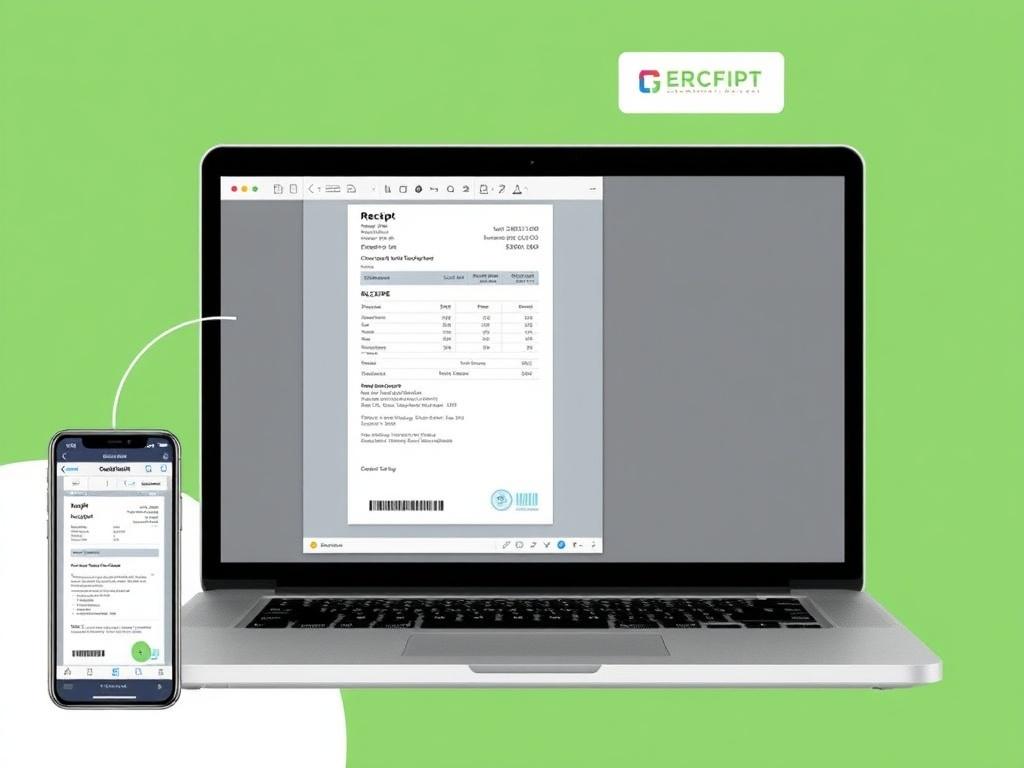
Within banking, where paperwork is vast and precision is critical, Optical Character Recognition (OCR) has become a pivotal innovation. This article examines OCR in banking, outlining what it is, how it is used, and the ways it transforms workflows and improves customer service.
What is OCR in Banking?
The Basics of Optical Character Recognition
OCR converts various document formats—scanned papers, PDFs, or photos taken with digital cameras—into editable, searchable text. It electronically transforms images of typed or printed material into characters that machines can read, allowing computers to process and work with the extracted text.
In banking, OCR is essential for automating document-heavy tasks like loan filing, opening accounts, and maintaining compliance records. By digitizing documents and pulling out key data, OCR helps banks speed up processing, reduce mistakes, and boost efficiency.
Key Components and Functionality
An OCR solution includes several parts: image preprocessing, feature extraction, and character recognition engines. Preprocessing improves scanned document quality—removing noise, converting to binary, and correcting skew—to raise the chances of accurate recognition.
Feature extraction inspects text structure—font attributes, size, and spatial layout—to isolate characters. Then recognition algorithms, often using pattern matching and machine learning, compare these features to known character models to transcribe the content correctly.
Applications of OCR in Banking
Streamlining Account Opening Processes
A major use of OCR in banking is simplifying the account opening experience. In the past, starting a new account required completing multiple paper forms and supplying ID documents, a process that could be slow and prone to input errors.
OCR lets banks automatically read information from IDs like driver’s licenses, passports, or utility bills to prefill account forms with precise customer details. This cuts manual entry time, lowers error rates, and supports compliance with regulatory requirements.
Improving Loan Origination and Processing
OCR is also vital for making loan origination and processing more efficient. Loan files often include many documents—income proofs, tax forms, and property papers—that must be reviewed and handled carefully.
Using OCR, banks can extract crucial details from loan paperwork—borrower names, requested amounts, and collateral descriptions—speeding approvals, improving credit assessments, and delivering quicker responses to applicants. OCR-driven automation also improves document handling and preserves detailed audit trails for regulators.
Enhancing Fraud Detection and Compliance
As banking becomes more digital, detecting fraud and meeting regulatory obligations grow more important. OCR strengthens banks’ ability to spot fraudulent behavior and comply with AML and KYC requirements.
By extracting and analyzing data from transactional documents like checks, invoices, and statements, OCR helps reveal unusual patterns, suspicious transactions, and potential fraud. OCR-based compliance tools also speed identity screening against sanctions lists and regulatory databases, reducing financial risk and supporting regulatory adherence.
Conclusion
In summary, Optical Character Recognition (OCR) has transformed document handling and automation across the banking industry. By converting and extracting data from diverse documents, OCR streamlines account opening, accelerates loan processing, and strengthens fraud detection and compliance.
As banks continue pursuing digital transformation, OCR will become even more central to improving operational performance, cutting costs, and delivering better customer experiences. When used effectively, OCR helps banks remain competitive in a rapidly changing landscape.