
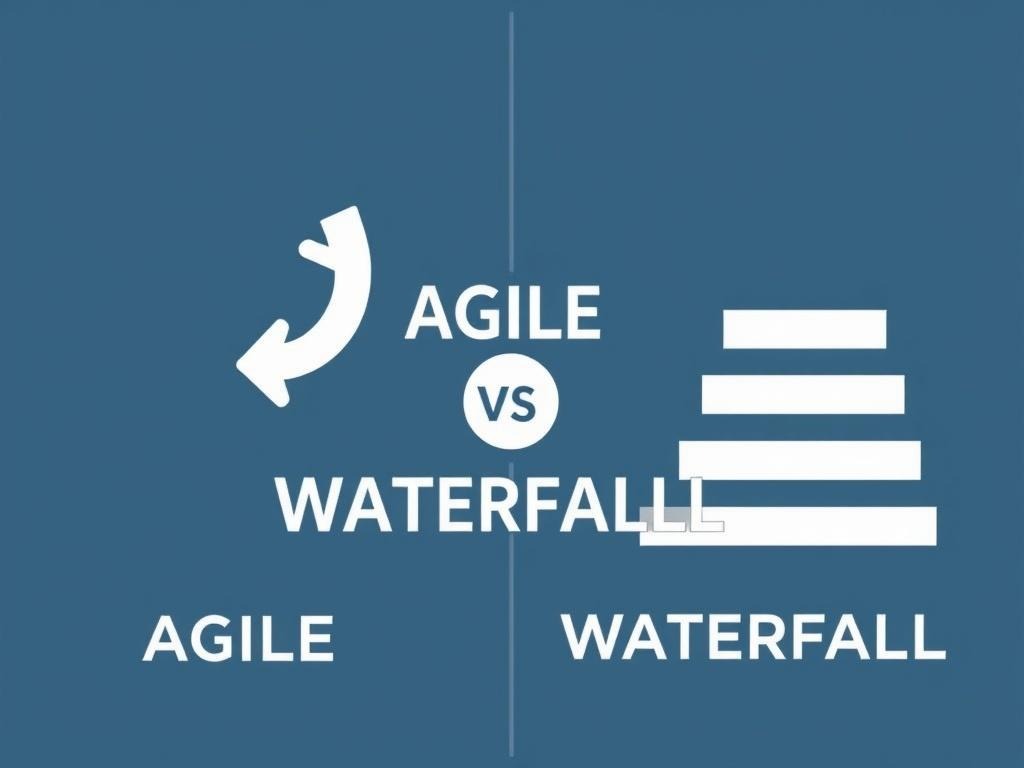
Within software development, selecting an appropriate methodology greatly affects whether a project succeeds. Two leading frameworks—Agile and Waterfall—provide contrasting ways to run projects. Grasping how they differ is vital to choose wisely and streamline development workflows, helping teams allocate resources, reduce risk, and improve delivery more .
– “
Exploring Agile Working Methods
Delivery in Iterations and Increments: Agile practices emphasize creating software through short, repeated cycles, splitting work into compact, controllable parts. Each cycle produces a releasable product increment, which permits early and ongoing delivery of useful software to users and stakeholders.
Adaptability and Flexibility: Agile welcomes shifts, allowing groups to respond to changing needs and industry trends. Frequent review cycles drive ongoing enhancement, making certain the delivered solution reliably satisfies stakeholders’ demands efficiently.
The Linear Development
Sequential Process: In contrast to Agile, Waterfall uses a linear workflow made up of clear stages—requirements, design, implementation, testing, and maintenance. Each stage must finish before the next begins, producing a fixed, highly organized development flow.
Foreseeability and Recordkeeping: Stagewise methodology prioritizes foreseeability and extensive recordkeeping. Requirements and project scope are defined upfront, minimizing changes throughout the development lifecycle. Detailed recordkeeping ensures clarity and facilitates communication among team members and stakeholders.
Picking an Appropriate Method!
Project Requirements and Scope: The project’s character greatly affects which methodology is most appropriate. Agile is ideal for initiatives with changing requirements or when rapid delivery is required. By contrast, Waterfall is better suited to projects whose requirements are clearly defined and stable.
Team Scale and Skillset: Think about the size and skills of your development team. Agile methods which prioritize collaboration and self-organization, tend to work best for small to medium-sized teams made up of skilled, motivated contributors. Waterfall usually fits better for bigger teams that possess clearly defined roles and duties.
Client Involvement and Feedback: Assess how much clients take part and how critical their feedback is during the development lifecycle. Agile methods encourage regular client engagement and continual feedback, so they suit projects that need tight stakeholder collaboration. By contrast, Waterfall—focused on initial planning and thorough documentation—can be better for initiatives where client participation is minimal.
Project Complexity and Risk Appetite : Evaluate the project’s complexity and the inherent risks involved…. Agile approaches handle ambiguity and complicated situations more effectively, enabling quicker discovery and control of hazards.. Waterfall works well for projects with low or moderate complexity and clear, well-known requirements more often.
Last words
Deciding between Agile and Waterfall approaches calls for thoughtful evaluation of multiple elements, such as project demands, team makeup, client participation, and appetite for risk. Agile delivers flexibility, responsiveness, and faster releases, whereas Waterfall delivers consistency, formal organization, and thorough documentation. In the end, the chosen method must match the project’s particular requirements and objectives to achieve strong results and satisfy the client.